






















CONTACT TO HANI




Hani Plastic Surgery
With accurate analysis of the cause & a tailored plan,
revision rhinoplasty planned with care
Scroll to discover


Doctor NOTE

With accurate analysis of the cause
and skilled use of cartilage,
we perform
revision rhinoplasty.

We thoroughly review your previous surgical history and problems,
and by using only as much cartilage as needed,
we consider a suitable solution
to improve your nose toward the line you want.
Hani Plastic Surgery
 Analysis of why the previous surgery failed and the method used
Assessment of how much of your own cartilage can be reused
Consultation on your desired nose shape and what you are currently unhappy with
Identification of functional nose problems
Using only the minimum cartilage needed,
a tailored surgical plan
Without overdoing it, following the principles of a natural nose,
the nasal bridge and tip line are restored
With thorough consultation and analysis of the cause, we provide a suitable solution.
case 1
When you are unhappy with the shape or line
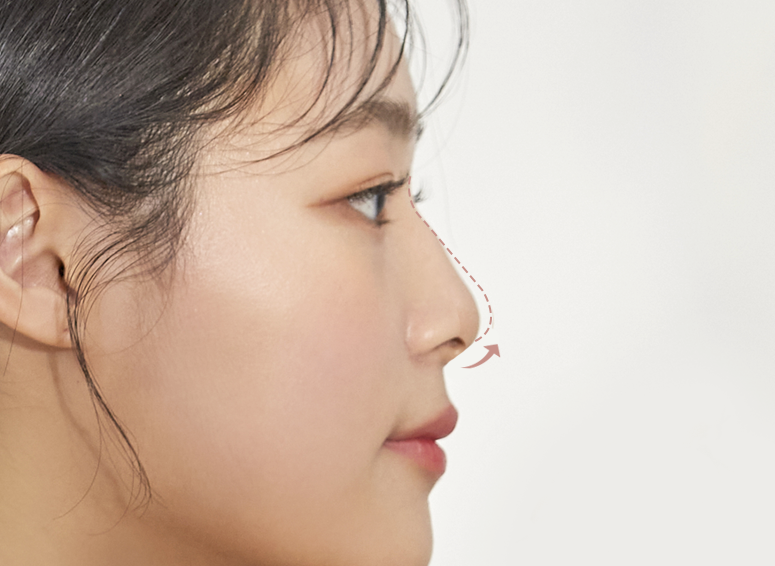
Cause
 Occurs when there was not enough discussion about the design, or
due to the medical team's inexperience,
the planned result was not achieved
When the nasal bridge is too high or too low
When the nasal tip looks unnatural
Correction method
After understanding your needs through thorough consultation,
the implant and cartilage are repositioned, considering facial proportions,
your look, and more, for re-correction
case 2
When the nasal tip droops
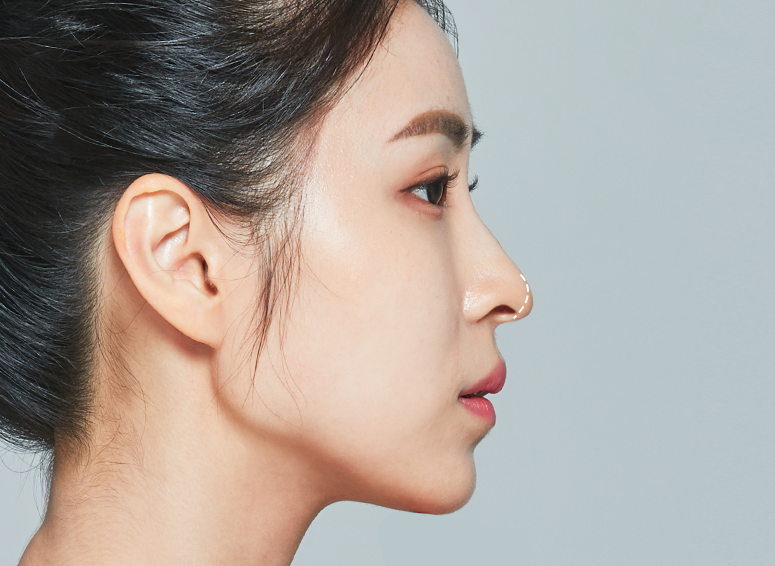
Cause
If the septum is extended too forcefully or
not fixed properly,
the tip droops over time
Correction method
The septum, which forms the tip's support structure,
is rebuilt firmly, and with sufficient tissue
release and extension, the tip is raised
and designed to hold its position over time
case 3
When the implant moves

Cause
If the implant was placed
without sufficient dissection,
or in the wrong position, when touched
the implant may move
Correction method
Through sufficient dissection, the implant is
placed precisely between the nasal bone and periosteum
case 4
When the implant or its edges show through the skin

Cause
When the nasal bridge was raised too much without considering thin skin,
or a wide implant was used
When too much silicone was used relative to the nasal bone
Correction method
Your own tissue, such as fascia or dermis,
is layered over the thinned skin to reduce show-through
Correction with a custom-made implant
case 5
When the nose looks crooked

Cause
Occurs when the base of the implant does not match
the shape of the nasal bone and cartilage,
causing it to shift to one side
When the implant was placed
without correcting a crooked nasal bone
Correction method
The nasal bone and cartilage are delicately refined, and the implant is
custom-made to fit the nose line and height, then replaced
After correcting structural asymmetry of the nasal bone,
the nasal bridge and tip line are designed
case 6
When inflammation or contracture has occurred

Cause
When inflammation or contracture has occurred
When the tip cartilage was not properly released
or fixed
It is best to visit a clinic as soon as inflammation occurs;
in severe cases, the implant may
push through the skin, or the nose may become
deformed and turned up
Correction method
Depending on the inflammation,
treatment may include antibiotics and removal of the implant, depending on the inflammation.
After 6 months, revision rhinoplasty
using your own tissue is performed
Sufficient release and fixation of the tip cartilage
help prevent the tip from turning up
case 7
When nostril asymmetry is severe or
the tip looks crooked

Cause
When the support of the septal extension is weak
When the alar cartilages are asymmetric
Correction method
After identifying the cause, the tip structures, including the alar cartilage,
are repositioned to their normal position.
Asymmetry is corrected through septal reconstruction.
case 8
When the nasal tip looks pinched
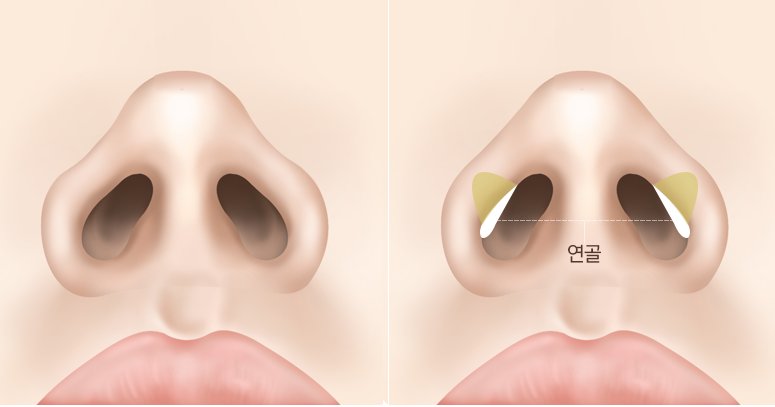
Cause
Occurs when, in a previous surgery, the alar cartilages of the tip
were tied too tightly or
corrected too high
Correction method
After assessing the current condition of the alar cartilages
and the previous surgical method, according to your desired shape
and design, the cartilage is repositioned
When you are not satisfied with the results of a previous rhinoplasty
When the nasal bridge looks crooked after surgery
When the implant shows through after surgery
When inflammation has occurred
When deformities such as tip drooping or
an upturned tip have developed over time
When the implant moves
When you want natural-looking revision rhinoplasty

Through thorough consultation with the surgeon,
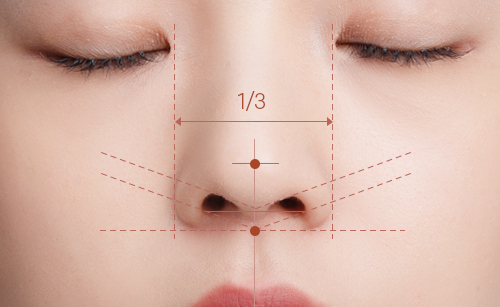
Through detailed analysis,

Design that encompasses the overall facial line
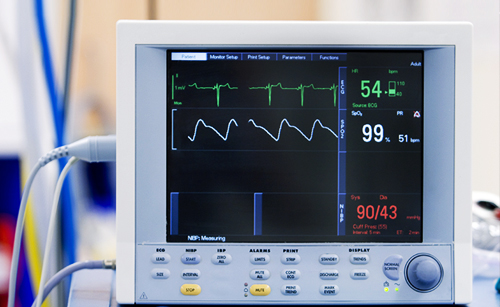
CCTV in the operating room and

For quick bruise and swelling recovery,

The surgeon personally handles consultation, surgery, and follow-up checks:
The overall facial line flowing from the forehead
through the nasal bridge to the chin is designed elegantly;
we design a well-shaped nose bridge and fat graft volume.

Considering facial proportions:
Nose length and width
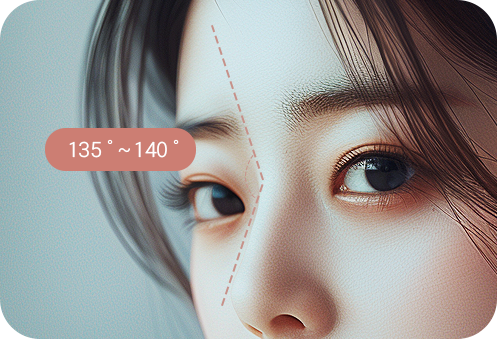
Considering forehead height and volume,
adjusting the starting point and angle of the nasal bridge
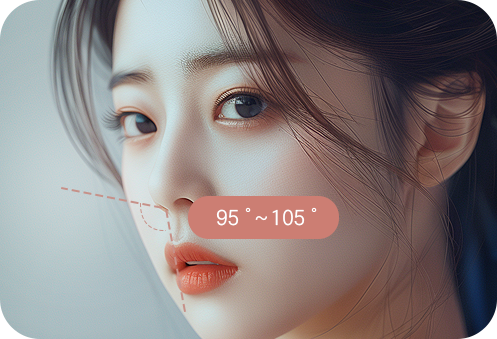
Considering the nasolabial angle,
nasal tip height and angle
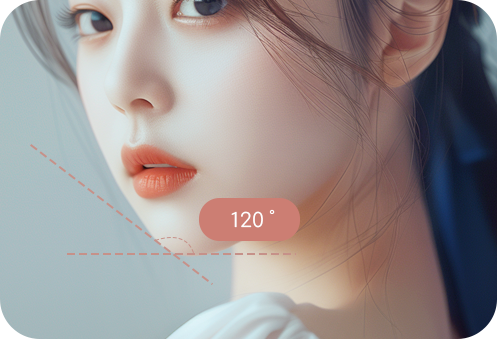
Considering the nasal tip, philtrum, and lip line,
chin volume
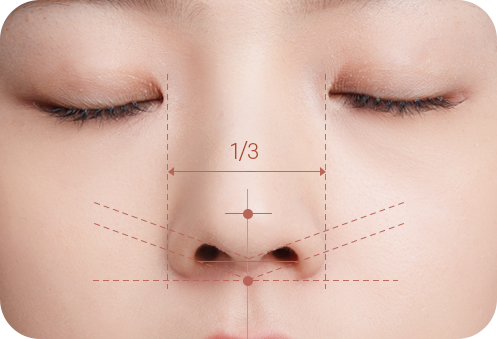
Designed to reduce drooping when smiling:
balance of the alar wings and columella
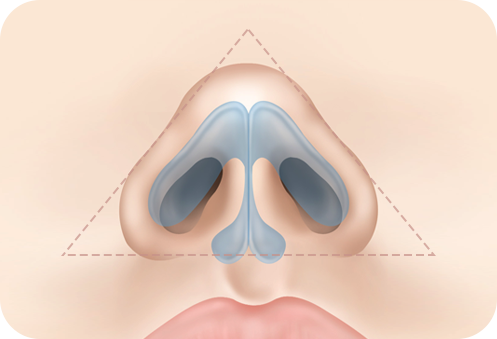
Nostril symmetry
and size analysis
CONTACT TO HANI

Location
1 Gangnam-daero 65-gil, Seocho-gu, Seoul,
9F, Giordano Building (Seocho-dong, Hyobong Building)
Work hour
Weekdays AM 10:00 ~ PM 07:00
Saturday AM 10:00 ~ PM 04:00
* Closed on Sundays and public holidays
CS center
02.532.8001
Close